What to look for when buying a pump?
Of u nu een nieuwe toepassing opstart die een pomp vereist of problemen hebt met een bestaande pomp in uw…
Whether you are starting up a new application that requires a pump or are having problems with an existing pump in your production process, given the investment cost, you had better make the right choice for a new pump. However, there are many factors to consider. To keep the forest for the trees, we list the most important questions you should ask yourself.
What do I expect from my new pump? Should it meet only the minimum specifications and regulations, or are there benefits to be gained by choosing a pump that can handle more, but at the same time costs more and may not yield more? To set the right expectations, you need to have a good idea of your process so you know what the pump needs to do. Of course, the requirements of a system and of the medium can change, so map out some kind of "worst case scenario" for your pump: what is the worst it should be able to handle. Also consider whether other pump principles might not lend themselves better to your application as a result.
What is the right pump for my system?
If it is a replacement, the existing pump can be the starting point. Then start with a thorough inspection. Are there signs of excessive or uneven wear? Are there cavitations? In other words, you should be able to get a picture of whether the system and conditions in the medium are taking too much of a toll on the pump. Many changes may have happened over the years, so other specifications may sometimes work better. Manufacturers can offer advice in this regard. If it is a new application, you can start with a blank canvas and choose the right pump based on the system requirements and with or without consulting the manufacturers.
If your medium changes, you don't necessarily need to buy a new pump. Provided the physical properties are close enough.
Are the conditions always the same one?
Fluctuations in the product process affect the efficiency of your pump in operation. If a process requires a consistent temperature, special attention must be paid to various points in the system. The cumulative effect of heating or cooling external piping or machinery can cause degradation of your medium with all the consequences for your pump. Increased viscosity, for example, will require a different suction capacity. Especially with centrifugal pumps, this can affect efficiency. It may pay to invest in equipment to create a stable temperature throughout the process.
What happens when the medium stop
Downtime can never be completely eliminated. Even if unplanned breakdowns do not occur, maintenance still needs to be performed. What happens to the pump when everything shuts down and when everything starts up again? The type of fluid will play an important role in this. For example, a suspension or a hardening fluid will quickly damage the pump. So match your pumping principle to the medium in question. Does it match my fluid and process data? Further consider it in your system design. Pumps on standby to take over in such cases can provide solace. It can also be interesting to keep crucial components in stock.
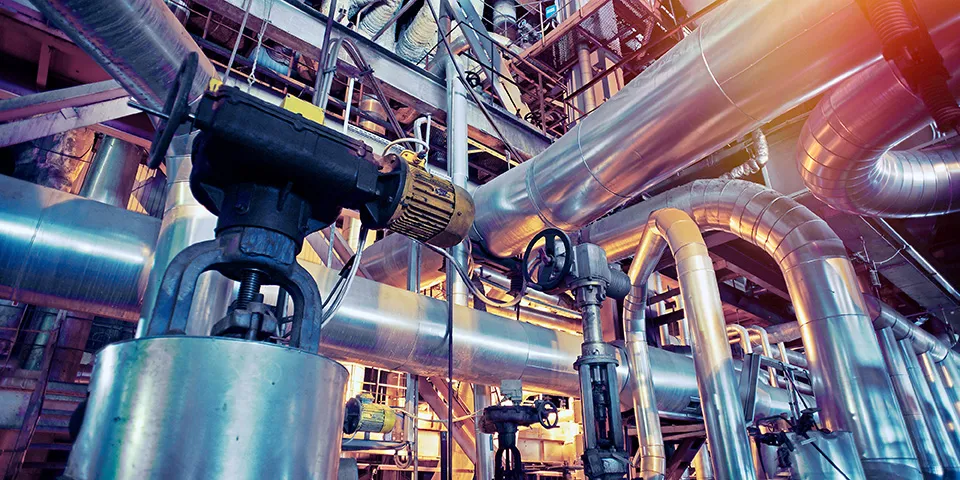
Fluctuations in the product process affect the efficiency of your pump in operation. (Image: Iren Moroz)
What if contaminants enter my pump?
Contaminations that creep into the medium and/or pump can cause gradual wear or breakage. These can be contaminants that do not belong in it but equally solid particles that are just above the size a pump can handle. Especially when the same pump has to handle different media that differ in viscosity, solids content, temperature and density, this risk becomes even greater. Therefore, select a pump for the highest possible values that can occur.
What is the maximum solids content or high density possible? What are the temperature fluctuations in this medium? These are some examples of questions you can ask yourself. In turn, it can become interesting to choose a pumping principle that is more resistant to contaminations and particles.
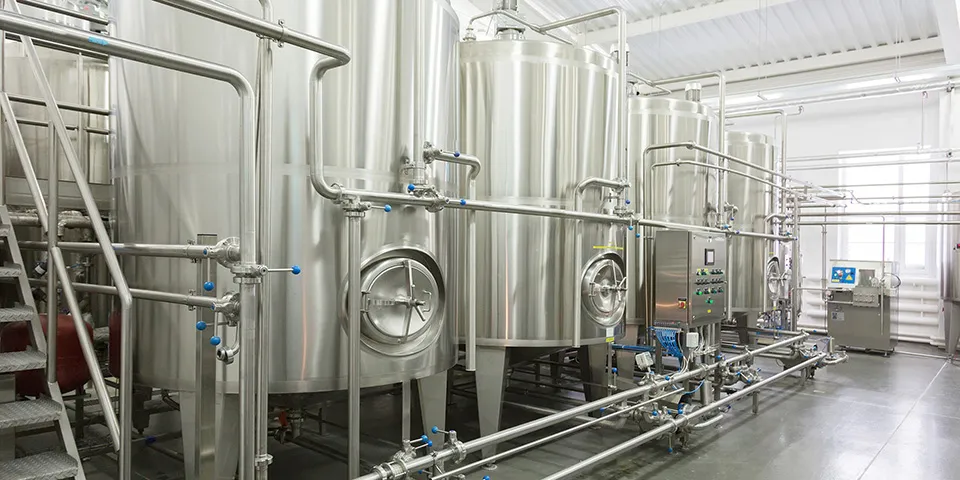
If it is a new application, you can start with a blank canvas and choose an appropriate pump based on the system requirements and with or without consulting the manufacturers. (Image: Nostal6ie)
What about the TCO?
Cost is an important factor in any investment. With pumps, it comes down to looking at it for the entire life cycle. In other words, in addition to the investment cost, the operating costs (energy, accessories, consumables), service life, labor costs for maintenance and breakages, costs for inefficiencies such as improper dispensing, the effects of aging on efficiency and potential resale value must be put into the equation. Quite a sandwich, which manufacturers can help you with. Or you can think about what your production layout looks like and where the bottlenecks are to get the right pump in the right place.
Same pump, different medium?
If your medium changes, you do not necessarily need to buy a new pump. Provided that the physical properties (viscosity, vapor pressure, solids content, temperature ...) are close enough. Additional restrictions are that the inflows and outflows to and from the pump do not exceed the maximum capacities of the pump and that there is chemical compatibility, especially with strong acids and bases. Certain pump types also have greater flexibility to handle different media.
What are the characteristics of my medium?
Corrosive, abrasive, volatile, toxic, viscous, vapor pressure, solids concentration, particle size, particle hardness, extreme temperatures ... each of these parameters must be weighed and weighed to arrive at the best possible pumping principle. If you want to delve even further into the application, you can also factor in the TCO (see above) to make sure that the choice is the best one in the long run. The manufacturers have checklists to help you quickly find your way around this.
Question about this story? Ask your question
Keep following this
Get an email when a new story is published. No account needed.
- SubjectProduct information