Lubrication maintenance pays off
Text Marjolein de Wit-BlokImage WhiteCube en Interflon
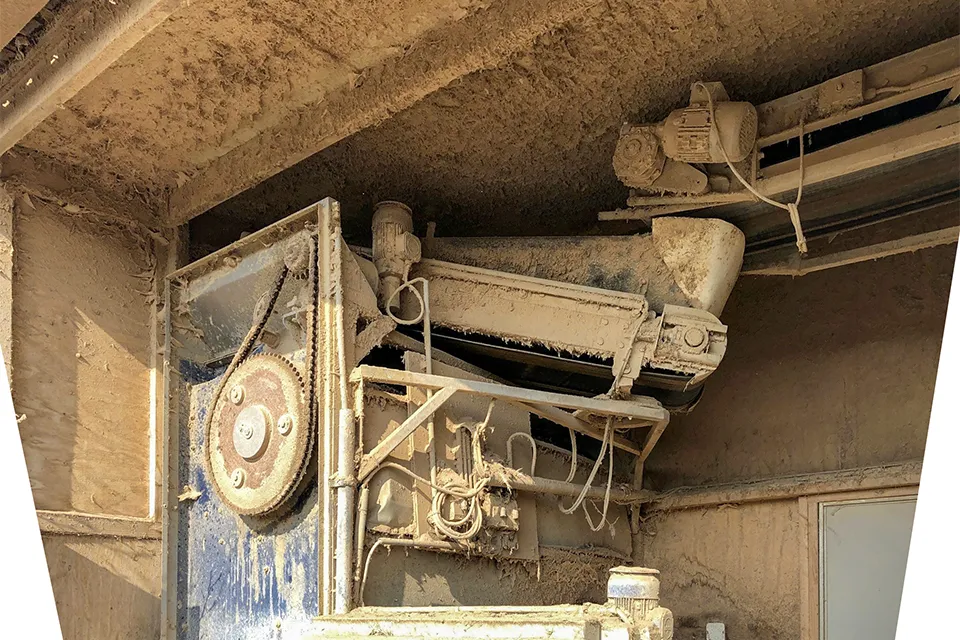
Where ‘lubrication’ used to be the job of the ‘youngest employee’, lubrication maintenance has since developed into a serious, professional field. And rightly so. Lubricating machinery and equipment with the right lubricants, at the right time and in the right way can deliver gains on several fronts, including lower energy consumption, a longer service life, greater reliability and availability, and a lower environmental impact. Advanced software supports today’s maintenance teams in carrying out lubrication maintenance correctly.
Industrial lubrication aims to minimise friction between parts moving relative to one another. It also carries away heat and dirt. Proper lubrication thus helps machinery operate safely, efficiently and reliably, while keeping maintenance requirements low. The reverse is also true: research shows that a significant proportion of bearing damage can be traced to improper lubrication. There is every reason to take this seriously.
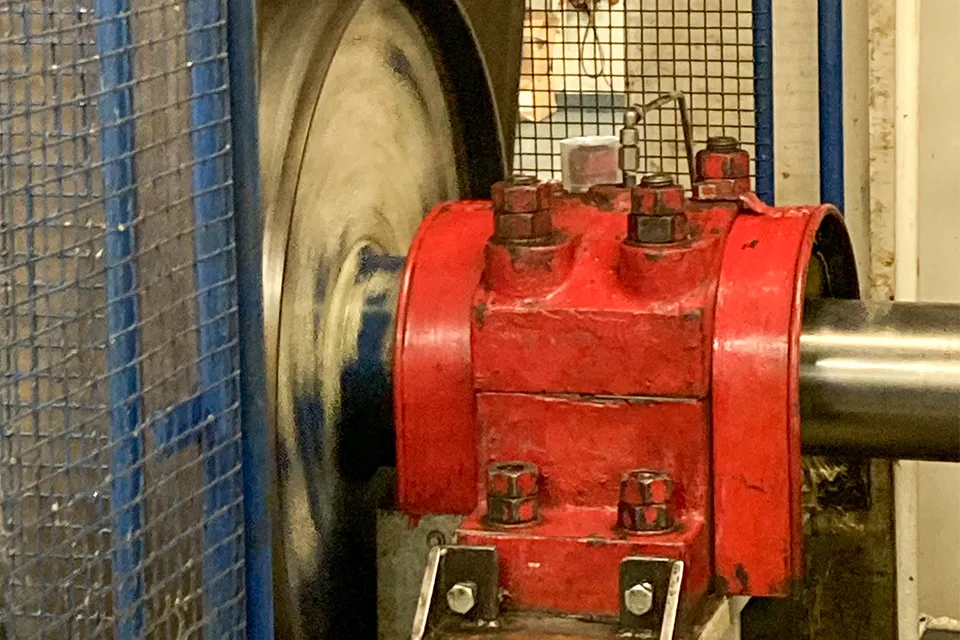
What, when and how much
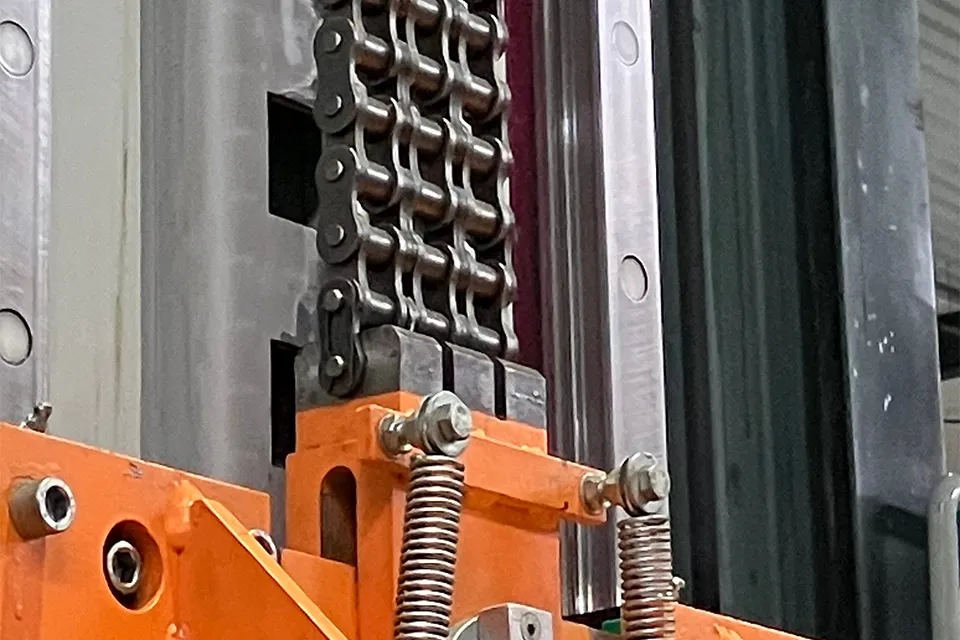
Proper lubrication broadly means using the right product, lubricating at the right intervals and applying the right amount. The right product can be selected by assessing various factors relating to the application. These include pressures and forces, temperature, speed and ambient conditions. There are standard lubricants, as well as products better suited to, for example, high or low temperatures, dirty environments or high pressures. Applications in the food industry specifically require food-grade lubricants, while outdoor applications call for lubricants that do not place an unnecessary burden on the environment.
Lubrication intervals are usually established through trial and error or specified by the machine manufacturer. Lubricating too early does not cause problems for the machine, but it does unnecessarily increase lubricant consumption. Lubricating too late leads to unnecessarily high friction and, consequently, increased energy consumption. In the worst case, components can seize, resulting in unplanned downtime and high maintenance costs.
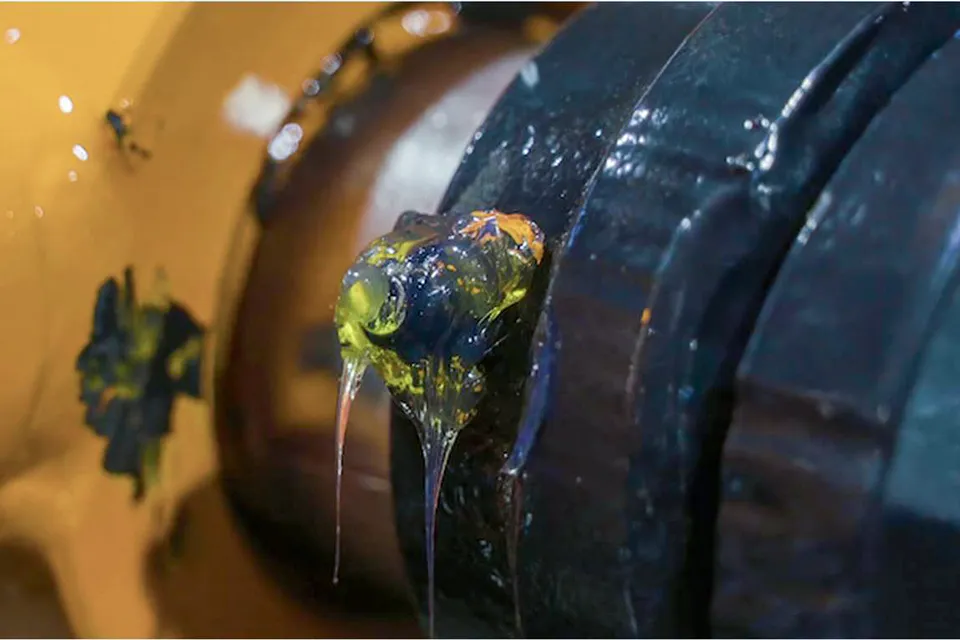
The amount of lubricant to be added is also an important factor in proper lubrication. The biggest problems arise from ‘over-lubrication’. Most people understand that too little lubrication causes problems. But too much lubricant is also counterproductive: grease builds up, pressure increases, and so do friction and heat generation. Grease leaking from a bearing is therefore by no means an indication of ‘sufficient’ lubrication.
Software and tools
In practice, there are many different points in a factory that need lubrication. Software helps maintenance teams carry out lubrication maintenance efficiently. For each lubrication point, the software can record which lubricant to use, how much to apply and when. Such a programme also allows users to record any special details, such as the exact location and how to access it, while maintenance staff can note their findings. In many cases, the associated schedule is also managed in the software.
Automatic lubrication systems are a commonly used tool for lubrication maintenance. They are particularly useful for lubrication points that are difficult to access and easily ‘forgotten’. These solutions can also deliver significant cost savings where there are many lubrication points, for example in a factory with numerous conveyor belts.
PFAS
A further point to consider is the new legislation that came into force on 14 November 2024. On this date, all PFAS were designated as SVHCs (substances of very high concern), meaning companies have been required since then to prevent the use of PFAS as far as possible. Among other things, this means that Teflon-based lubricants may no longer be used unless no alternative is available. Some suppliers have added PFAS-free products to their ranges that can be used immediately under the new legislation.
Question about this story? Ask your question
Keep following this
Get an email when a new story is published. No account needed.
- SubjectServices & solutions