Safe handling of nuclear material
Text Marjolein de Wit-BlokImage Pilz en COVRA
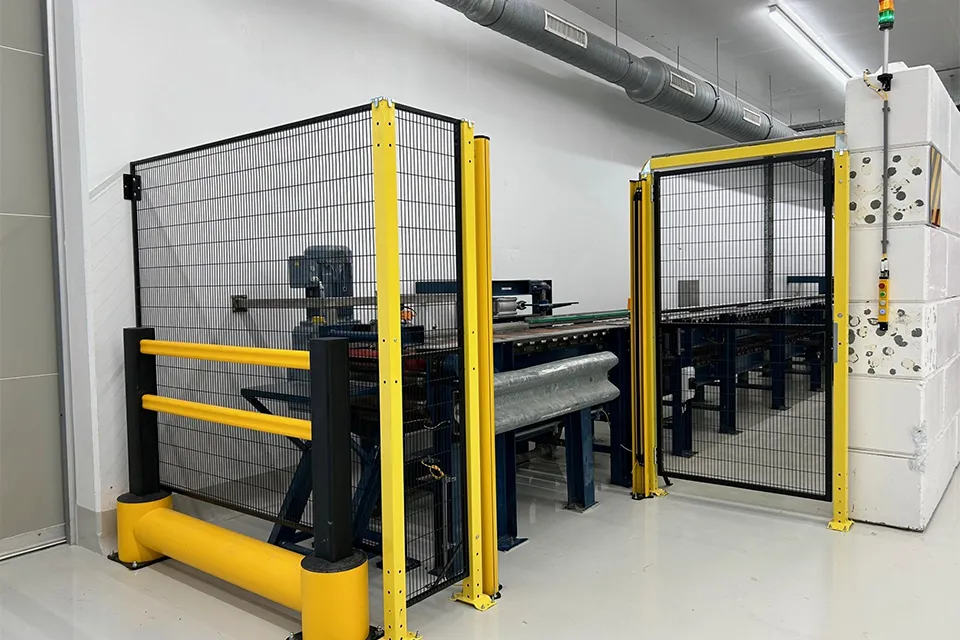
Following a risk assessment, COVRA, a processor of radioactive waste, approached Pilz to update the safety systems on its compaction and transport installation. The Identification and Access Management (IAM) system now enables employees to work safely using a modern, straightforward approach. As a full-service supplier of industrial safety solutions, Pilz provided the safety control system, safety fencing and light curtains. IAM also intrinsically takes the protection of process data and personal data into account.
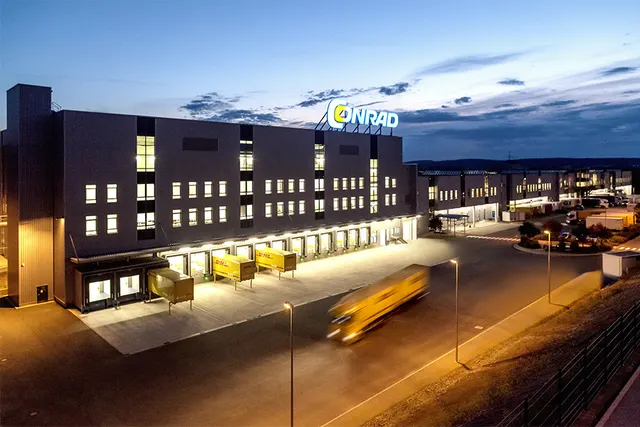
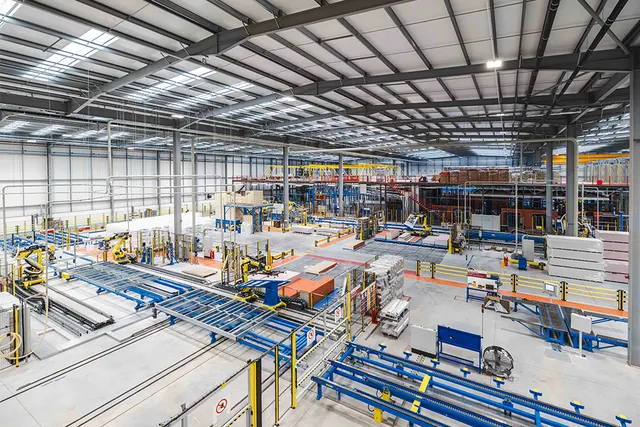
COVRA stands for Centrale Organisatie Voor Radioactief Afval. This is the only company in the Netherlands authorised to collect, process and store radioactive waste. Most of the processing is automated: the 90-litre drums delivered to the facility are compacted, cast in concrete and stored. Willem Corbijn works as a work planner at COVRA. He explains: “Safety is a top priority for us, but at a certain point the safety system became outdated, so we brought in Pilz following a risk assessment. One reason was that they could provide a complete package, from mechanical systems to light curtains, including the required safety control system. They could also design and implement the complete solution.”
Solution
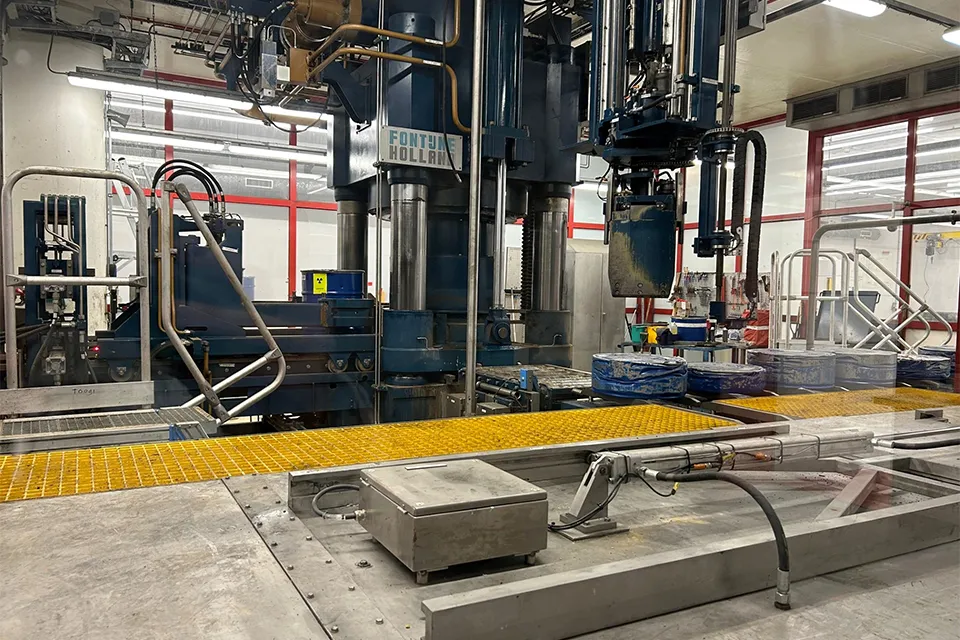
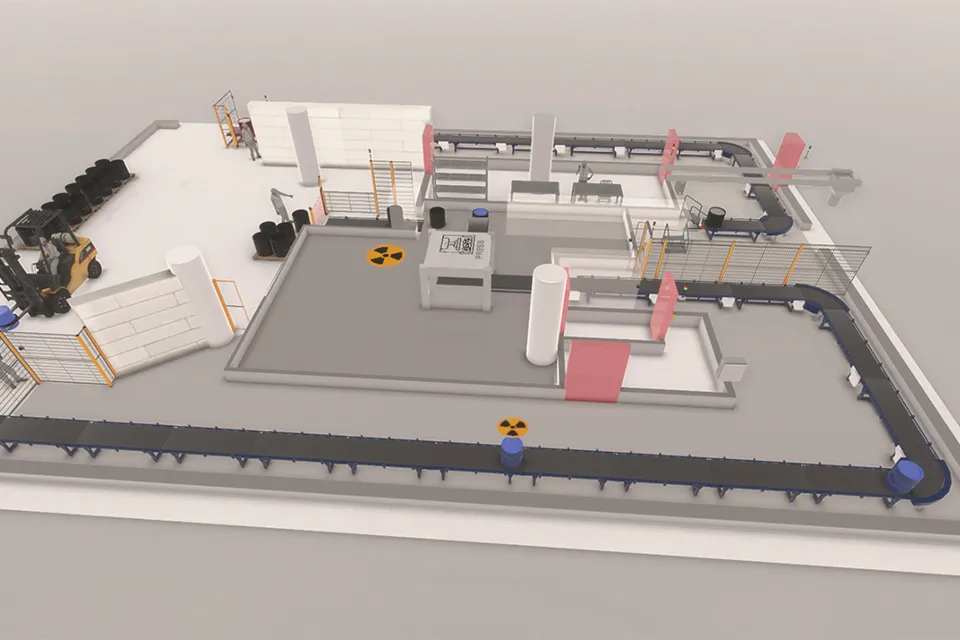
During the preparatory phase, three zones were defined: the infeed zone, the compaction cell and the outfeed zone. The compaction cell is the most hazardous area, as radioactive waste could be released when the drums are compacted and a press with a force of 1,500 tonnes operates there. People may enter this enclosed area only under strict conditions and wearing appropriate protective clothing.
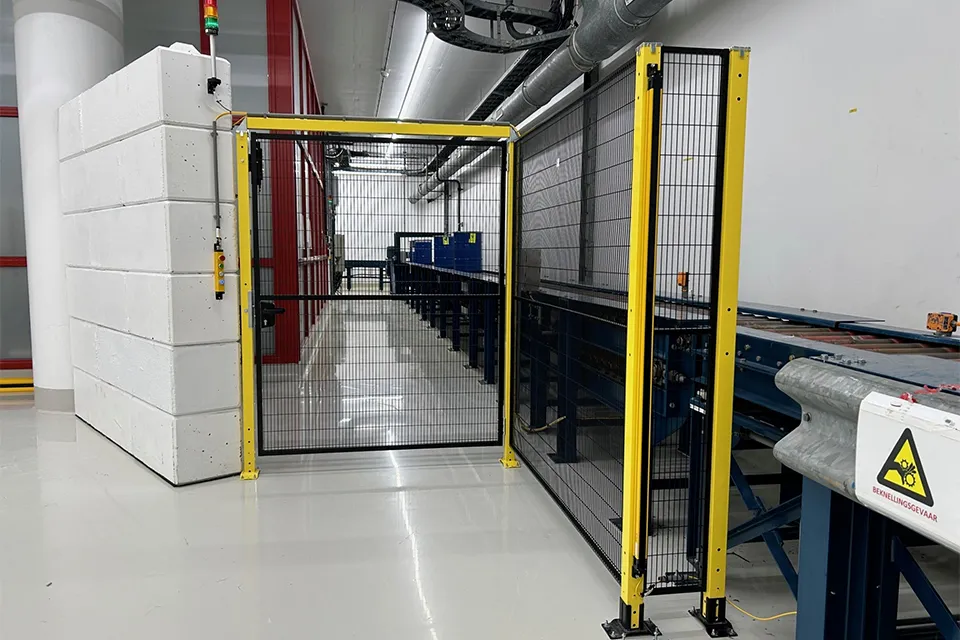
In the final solution, the three zones are enclosed by fencing and doors fitted with secure access control based on the Identification & Access Management System (IAM). Anyone wishing to enter a zone identifies themselves using a personal electronic tag. Access is then granted or denied based on the user’s access rights and the conditions in the area. The person keeps their tag with them at all times (the key-in-pocket principle). When leaving the zone, they use the same tag to sign out. Christian Oort, project manager at Pilz, says: “This means you don’t have to leave through the same door you entered. The system is also designed to prevent tampering and unauthorised access.”
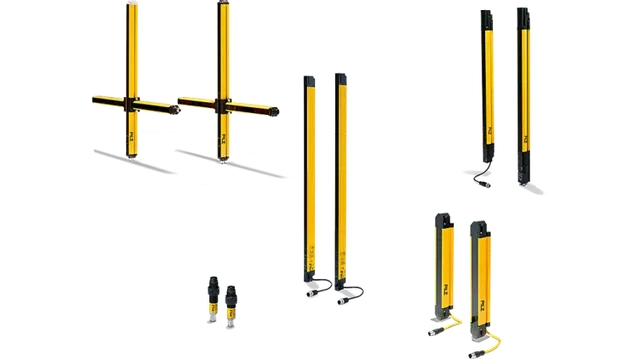
The points where forklifts place the waste drums on the roller conveyor are protected by light curtains. If a light curtain is interrupted, the roller conveyor stops automatically. Once the object has cleared the light curtains, the roller conveyor restarts automatically.
Challenge
A key challenge in the project was the practical implementation. The safety solution had to be fitted into the existing control cabinets, where the single switching circuits were replaced by a dual shutdown path. In addition, two new PLCs were installed to replace the old relay-based control system. Retaining this division made it possible to reuse much of the existing cabling. Corbijn says: “From a control engineering perspective, Pilz also had to connect its safety control system to the ABB system, which is in turn connected to our office automation system. The link to the administrative system must never be disrupted if the production line happens to stop.”
Training and start-up
The entire system has now been built and commissioned, and employees are being trained to use it correctly. Oort concludes: “A wonderful project with a remarkable company that takes safety very seriously and leaves nothing to chance. There is also no time pressure to process the waste, as supplies are limited, so everyone can take their time and carefully follow all safety procedures and measures. Food for thought.”
A business enquiry for Pilz Nederland? Get in touch
Companies in this story
Keep following this
Get an email when a new story is published. No account needed.
- SubjectServices & solutions
- CompanyPilz Nederland