Software, IT, OT & cybersecurity
Digital twins and digital engineering in the industrial metaverse
Text SCHUNK/Evi HussonImage SCHUNK SE & Co. KG
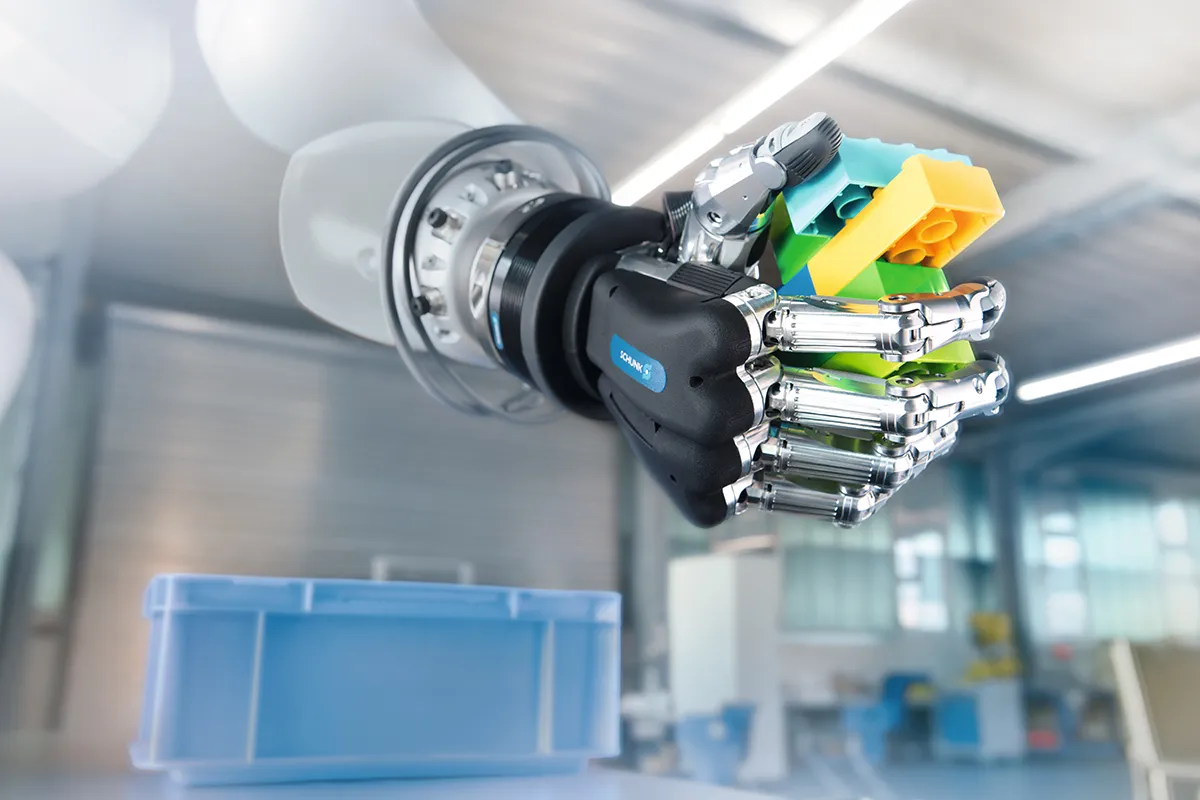
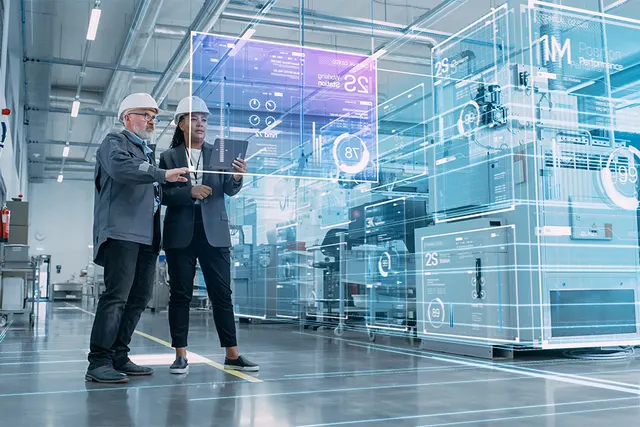
The industrial metaverse offers new opportunities to make industrial processes simpler, faster and more efficient. Thanks to digital twins and artificial intelligence (AI), automation solutions can be planned, simulated and optimised digitally before they are implemented in practice. SCHUNK is making a major commitment to digital engineering to further develop its portfolio, seize new technological opportunities and increase customer productivity.
Industry is under pressure to produce sustainably, flexibly and cost-effectively. New products and the production concepts associated with them must be developed faster than ever and be easy to adapt to changing requirements. The industrial metaverse provides a virtual, interoperable space in which automation concepts can be designed, tested and optimised in advance. This can be done much faster and more thoroughly than in the physical world. Virtual simulations shorten development cycles, reduce commissioning times and minimise production downtime and rework. SCHUNK is harnessing these benefits to develop digital building blocks and further accelerate innovation in automation technology.
Digital twins for flexible production
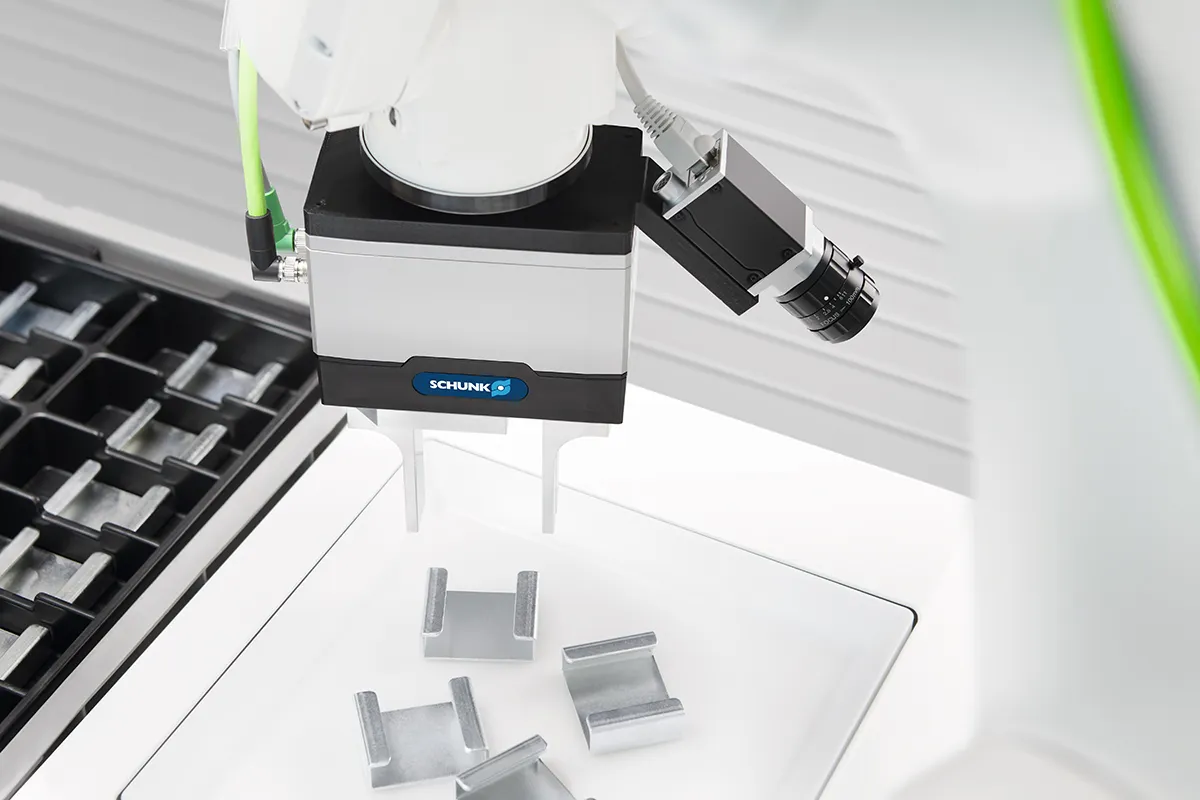
The basis of every simulation is the digital twin: a digital representation of a physical object or process. It makes it possible to realistically replicate processes and interactions between components in real time. SCHUNK follows a five-step approach to developing digital twins. Each stage brings products from its workholding, gripping and automation technology closer to a perfect digital model. The model incorporates not only electrical properties and interfaces, but also physical behaviour such as force, friction and wear. SCHUNK has now digitally captured the complete physical behaviour of various new mechatronic parallel and centric grippers. The company sees significant added value in the further development of AI-driven modules. For example, the artificial intelligence in the award-winning 2D Grasping Kit is trained in the industrial metaverse using practical applications, with the aim of opening up new application areas in smart handling.
Making automation accessible
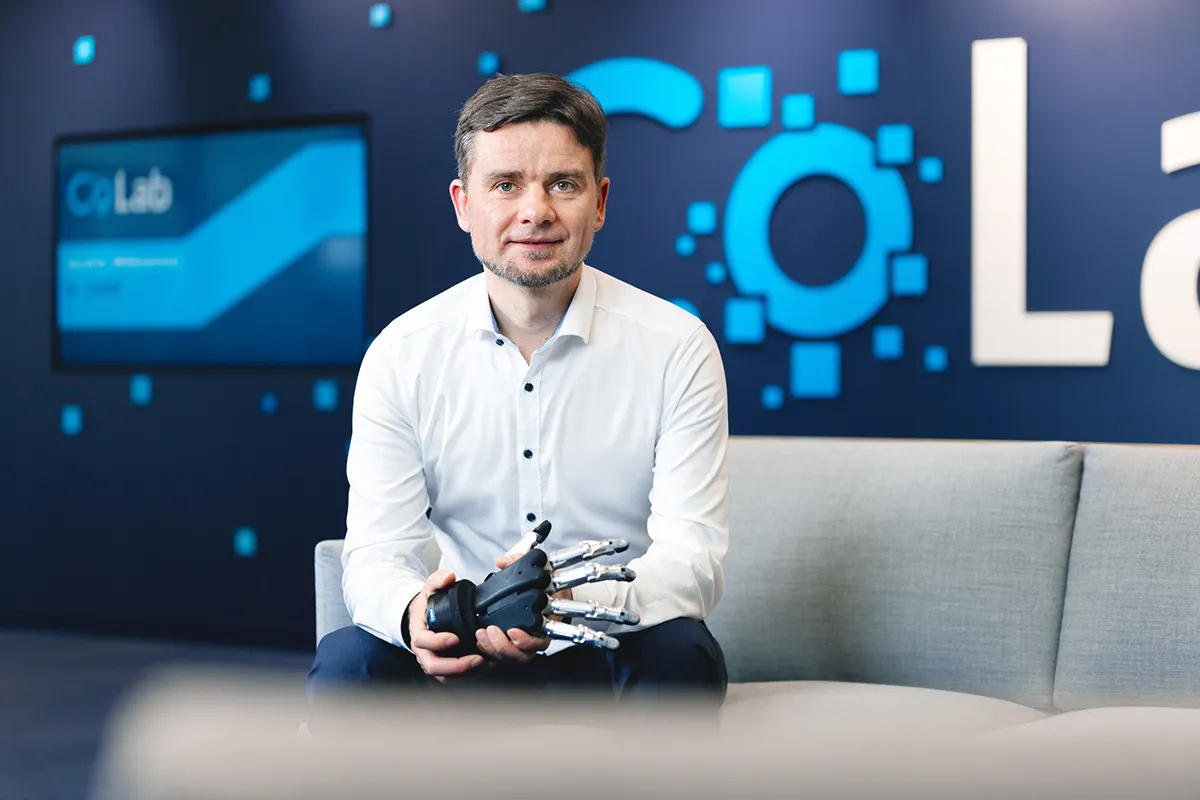
As a technology pioneer, SCHUNK has a clear vision: to make automation accessible to its customers. “By virtually simulating automation tasks, we can quickly provide customers with an optimised, highly productive solution to their production challenges,” says Timo Gessmann, CTO of SCHUNK. “AI enables us to simplify engineering processes significantly. With digital tools and simulations, we can digitally validate all variants in a very short time.”
Technology partnerships
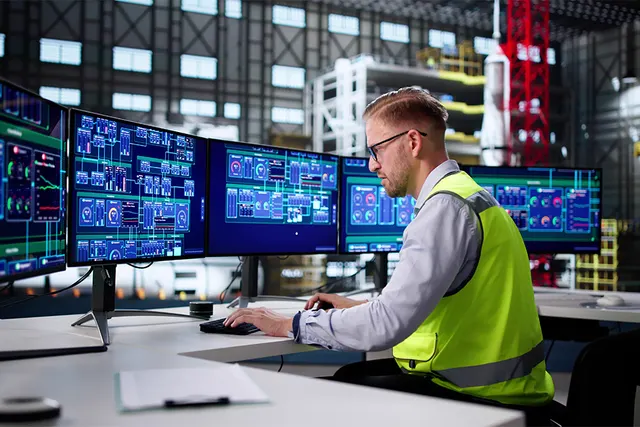
SCHUNK relies on strategic technology partnerships to develop digital services. The company uses platforms such as ISG Virtuos and NVIDIA Omniverse to simulate and plan complex automation projects. It uses partnerships such as the one with NVIDIA as a catalyst for developing AI-based solutions for simulation and production optimisation. Simulations generate synthetic data that helps train AI models.
Pushing the boundaries
At NVIDIA GTC in March 2025, the leading developers’ conference for artificial intelligence, SCHUNK and Schaeffler jointly presented a simulated robotic assembly application developed in collaboration. In this application, the SVH 5-finger hand developed by SCHUNK screws screws into a housing. The demonstration shows how the boundaries of intelligent automation can be pushed further and applied in industry. SCHUNK offers suitable end-of-arm components for every type of robotics, from industrial robots to cobots and humanoid robots, including open digital building blocks.
Have a business enquiry for SCHUNK? Get in touch
Companies in this story

Keep following this
Get an email when a new story is published. No account needed.
- ThemeFrom factory data to decisions
- SubjectSoftware, IT, OT & cybersecurity
- CompanySCHUNK